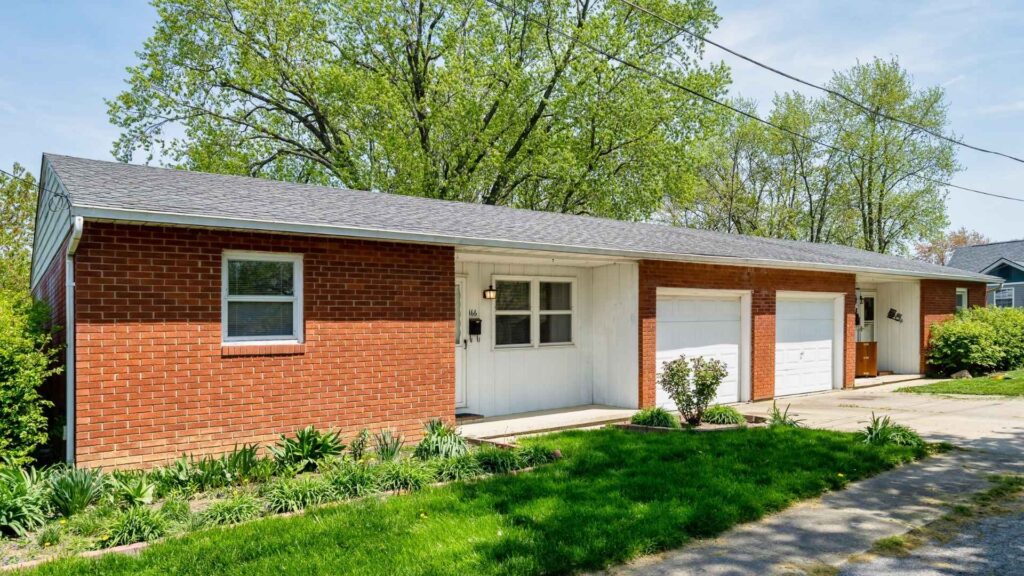
In Columbus Ohio, many buyers are asking a different question before purchasing a home. It is no longer just about affordability. It is about flexibility.
With continued job growth across Central Ohio, more people are prioritizing mobility over long term equity, especially in the early stages of their careers.
Renting vs Buying in Columbus Ohio:
When Job Mobility Matters
In Columbus Ohio, many buyers are asking a different question before purchasing a home. It is no longer just about affordability. It is about flexibility.
With continued job growth across Central Ohio, more people are prioritizing mobility over long term equity, especially in the early stages of their careers.
Why Job Mobility Is Driving Housing Decisions
Career growth requires flexibility
Columbus continues to expand with strong job growth in technology, healthcare, finance, and logistics. Many professionals are changing roles, companies, or locations more frequently than in previous years.
This creates a need to stay flexible rather than commit to a fixed location too early.
Relocation is more common
Job changes can require:
Short term timelines change the math
Homeownership builds value over time, but it depends on stability.
If a buyer expects to move within one to three years, they may not benefit from:
Moving across different parts of Columbus
Shortening or changing commute patterns
Relocating outside of Central Ohio
Closing costs on purchase
Costs associated with selling
Market timing risks
Renting allows for easier transitions without the responsibility of selling a home.
In these cases, flexibility can outweigh short term equity gains.
Why Job Mobility Is Driving Housing Decisions
Career growth requires flexibility
Columbus continues to expand with strong job growth in technology, healthcare, finance, and logistics. Many professionals are changing roles, companies, or locations more frequently than in previous years.
This creates a need to stay flexible rather than commit to a fixed location too early.
Relocation is more common
Job changes can require:
Moving across different parts of Columbus
Shortening or changing commute patterns
Relocating outside of Central Ohio
Renting allows for easier transitions without the responsibility of selling a home.
Short term timelines change the math
Homeownership builds value over time, but it depends on stability.
If a buyer expects to move within one to three years, they may not benefit from:
Closing costs on purchase
Costs associated with selling
Market timing risks
In these cases, flexibility can outweigh short term equity gains.
When Renting Makes More Sense in Columbus
Renting may be the better option when:
This approach allows time to evaluate both career direction and housing preferences.
Job location is uncertain within Central Ohio
There is a high likelihood of relocation
Income may change due to career shifts
There is a need to explore different areas like Dublin, Lewis Center, Powell, or Westerville before committing
When Buying Still Makes Sense
Buying can still be the stronger move when:
Columbus has remained a steady growth market, and earlier entry often creates long term financial advantage.
You plan to stay in Columbus for at least three years
Your job location is stable or flexible
You want consistent monthly payments instead of rising rent
You are ready to enter the market before further price increases
Columbus Ohio Market Context
Central Ohio continues to see population growth and employer expansion. This keeps both the rental and housing markets active. High demand areas include:
These areas continue to attract buyers due to location, schools, and long term stability.
Dublin
Lewis Center
Powell
Westerville
New Albany
When Renting Makes More Sense in Columbus
Job location is uncertain within Central Ohio
There is a high likelihood of relocation
Income may change due to career shifts
There is a need to explore different areas like Dublin, Lewis Center, Powell, or Westerville before committing
This approach allows time to evaluate both career direction and housing preferences.
When Buying Still Makes Sense
Buying can still be the stronger move when:
You plan to stay in Columbus for at least three years
Your job location is stable or flexible
You want consistent monthly payments instead of rising rent
You are ready to enter the market before further price increases
Columbus has remained a steady growth market, and earlier entry often creates long term financial advantage.
Columbus Ohio Market Context
Central Ohio continues to see population growth and employer expansion. This keeps both the rental and housing markets active.
High demand areas include:
Dublin
Lewis Center
Powell
Westerville
New Albany
These areas continue to attract buyers due to location, schools, and long term stability.
Balancing Flexibility and Long Term Value
The decision between renting and buying is not just financial. It is strategic. Key factors to evaluate:
Job stability
Expected time in the area
Financial readiness
Market conditions
There is no one size answer. The right decision depends on how mobile the next few years will be.
Balancing Flexibility and Long Term Value
The decision between renting and buying is not just financial. It is strategic.
Key factors to evaluate:
Job stability
Expected time in Columbus
Financial readiness
Market conditions
There is no one size answer. The right decision depends on how mobile the next few years will be.
Key Takeaway
Renting provides flexibility. Buying builds long term value. In Columbus Ohio, the right decision comes down to timing, job stability, and a clear plan.