Why Homes Are Sitting in the Ohio Housing Market and What Sellers Can Do
In today’s Ohio housing market, more homes are sitting longer than expected. Most are not failing because they are bad.
They are not differentiated.
Ohio’s real estate market does not move as one. Columbus can feel steady. Cleveland can feel uneven. Smaller cities and rural areas can feel stalled. When uncertainty shows up, whether from interest rates, job cuts, or tighter lending, the rules change quickly.
In a weaker market, differentiation is what determines whether a home sells in two weeks or sits for three months.
Why Homes Are Sitting in the Ohio Housing Market and What Sellers Can Do
In today’s Ohio housing market, more homes are sitting longer than expected. Most are not failing because they are bad.
They are not differentiated.
Ohio’s real estate market does not move as one. Columbus can feel steady. Cleveland can feel uneven. Smaller cities and rural areas can feel stalled. When uncertainty shows up, whether from interest rates, job cuts, or tighter lending, the rules change quickly.
In a weaker market, differentiation is what determines whether a home sells in two weeks or sits for three months.
Why Homes Are Sitting in the Ohio Housing Market
A slow housing market behaves like a weak job market.
Fewer qualified buyers = fewer job openings
More listings = more applicants
Tighter lending = wage pressure
Only top performers move quickly
In both cases, being solid is not enough.
The homes that sell are the ones that clearly separate themselves.
Why Homes Are Sitting in the Ohio Housing Market
A slow housing market behaves like a weak job market.
Fewer qualified buyers = fewer job openings
More listings = more applicants
Tighter lending = wage pressure
Only top performers move quickly
In both cases, being solid is not enough. The homes that sell are the ones that clearly separate themselves.
What Makes a Home Sell Fast in Ohio
Even in today’s Ohio housing market, some homes still sell quickly. They are positioned correctly. These homes typically have:
Locations near employment centers like Columbus, Dublin, Westerville, or Polaris
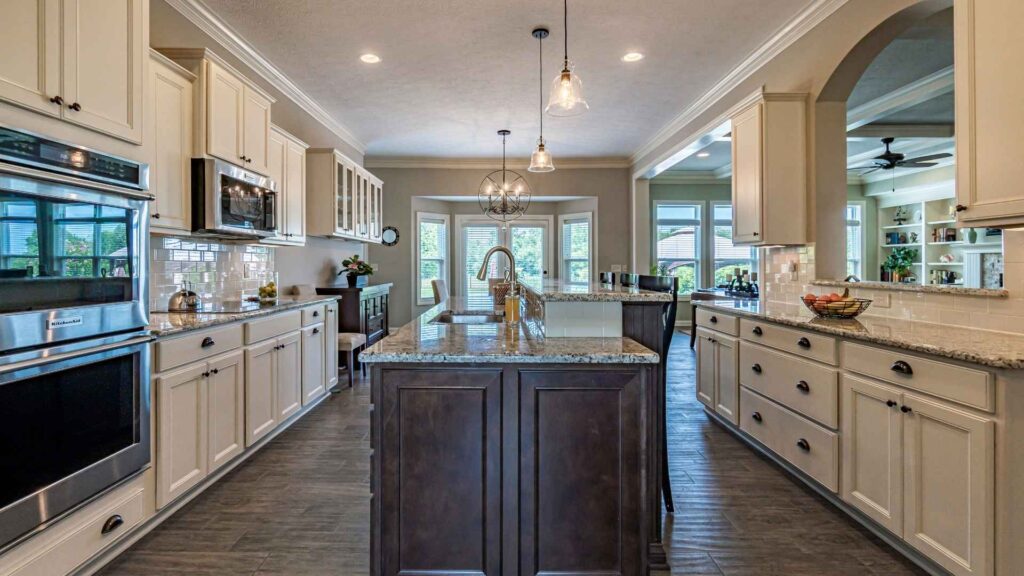
Updated kitchens, baths, and major systems like HVAC
Energy efficiency that reduces monthly costs
Pricing aligned with current market conditions
Clean inspection profile or issues addressed upfront
These homes align with the market instead of resisting it.
Why Some Homes Do Not Sell
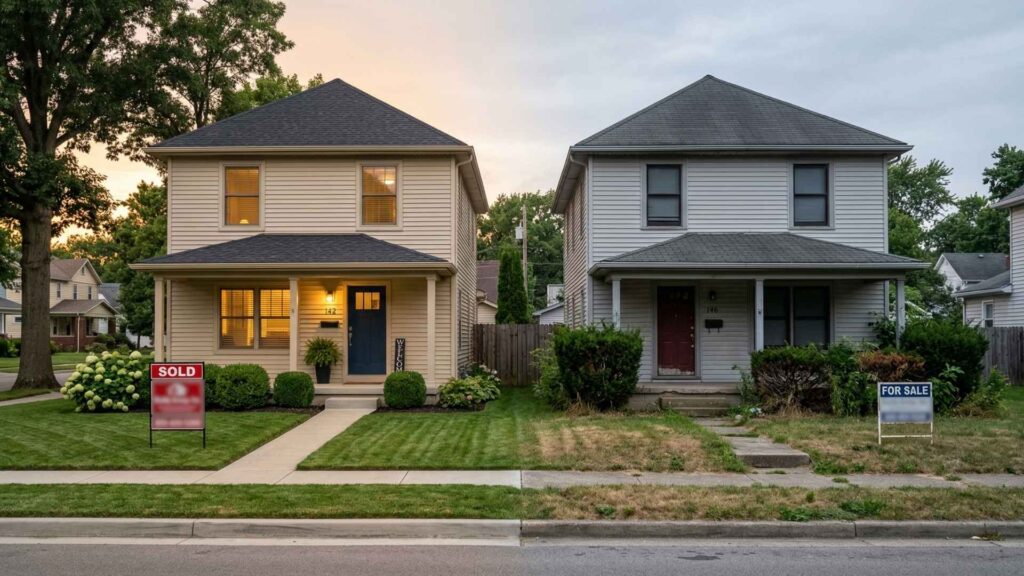
Homes that are dated, overpriced, or underprepared tend to sit longer. They are not bad homes. They are just not competitive in today’s Ohio housing market.
What Sellers Often Misread
Comparing to last year instead of current demand
Believing condition alone will carry the sale
Waiting instead of adjusting
The market rewards positioning, not waiting.
Why Is My House Not Selling in Ohio
Homes typically sit for three reasons:
Pricing does not reflect current market conditions
Condition does not match buyer expectations
Competing homes offer better value
In today’s Ohio housing market, buyers have more options and are more selective. Homes that are not positioned correctly will sit longer, even if they would have sold quickly in previous years.
A Simple Example
Two similar homes in Dublin hit the market at the same time.
One is priced for current conditions and updated key systems before listing. It sells in ten days.
The other holds to last year’s pricing and makes no adjustments. It is still sitting after sixty days.
Same market. Different outcome.
Positioning made the difference.
External Factors Affecting Ohio Real Estate
A well maintained home can still struggle in an area with job loss. Quality matters. Context matters just as much.
Interest rates
Lending standards
Local job trends
What Sellers Should Do Right Now
Price based on current market data, not past trends
Address major condition issues before listing
Evaluate competing listings closely
Adjust strategy quickly if activity is low
What Sellers Should Do Right Now
Price based on current market data, not past trends
Address major condition issues before listing
Evaluate competing listings closely
Adjust strategy quickly if activity is low
Final Takeaway
A slower market does not remove opportunity. It filters for clarity and positioning.
Homes that are positioned correctly still sell. Results come from recognizing the market you are in and acting accordingly.