What a Home Inspection Really Means for Your Long-Term Investment
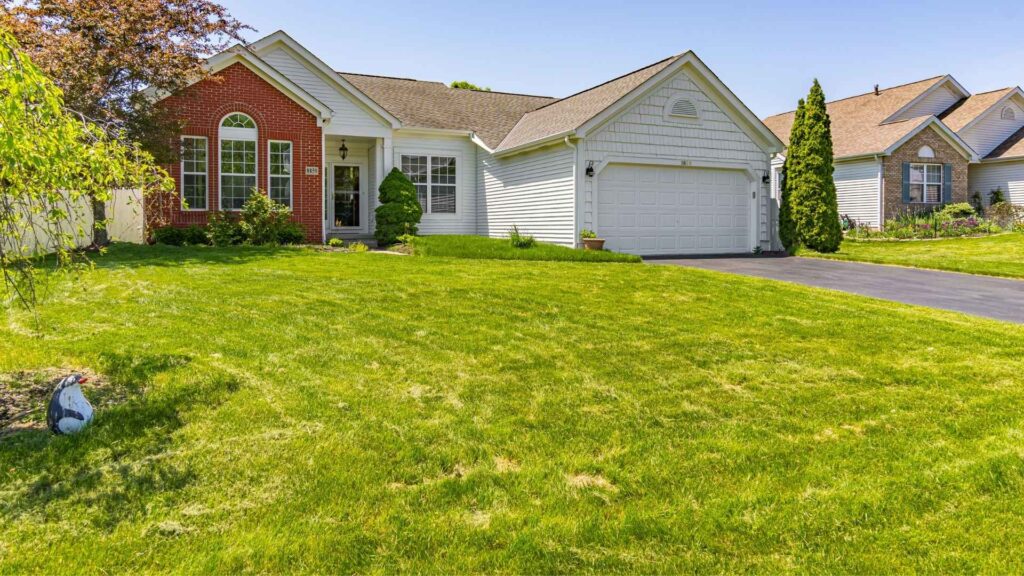
When buying a home in Powell, Lewis Center, or Westerville Ohio, many buyers treat the home inspection as a pass or fail event.
That approach creates risk.
A home inspection is not about passing. It is about understanding the condition of a property, the financial exposure tied to it, and the decisions you need to make before closing.
In the Central Ohio real estate market, this step directly impacts your long term investment.
What a Home Inspection Really Means for Your Long-Term Investment
When buying a home in Powell, Lewis Center, or Westerville Ohio, many buyers treat the home inspection as a pass or fail event.
That approach creates risk.
A home inspection is not about passing. It is about understanding the condition of a property, the financial exposure tied to it, and the decisions you need to make before closing.
In the Central Ohio real estate market, this step directly impacts your long term investment.
The Real Purpose of a Home Inspection
A home inspection is a limited, visual evaluation of a property’s major systems at a specific point in time.
It is designed to:
Identify observable defects
Highlight safety concerns
Evaluate major systems like roof, HVAC, plumbing, and electrical
Help buyers in Powell, Lewis Center, and Westerville anticipate future costs
It is not designed to:
Guarantee future performance
Predict exact lifespan
Identify hidden issues behind walls or underground
The correct question is:
Do I understand this home well enough to manage it as a long term asset?
The Real Purpose of a Home Inspection
A home inspection is a limited, visual evaluation of a property’s major systems at a specific point in time.
It is designed to:
It is not designed to:
Identify observable defects
Highlight safety concerns
Evaluate major systems like roof, HVAC, plumbing, and electrical
Help buyers in Powell, Lewis Center, and Westerville anticipate future costs
Guarantee future performance
Predict exact lifespan
Identify hidden issues behind walls or underground
The correct question is:
Do I understand this home well enough to manage it as a long term asset?
What an Inspection Really Means Financially
Inspection findings are not just observations. They represent future cost exposure.
Examples:
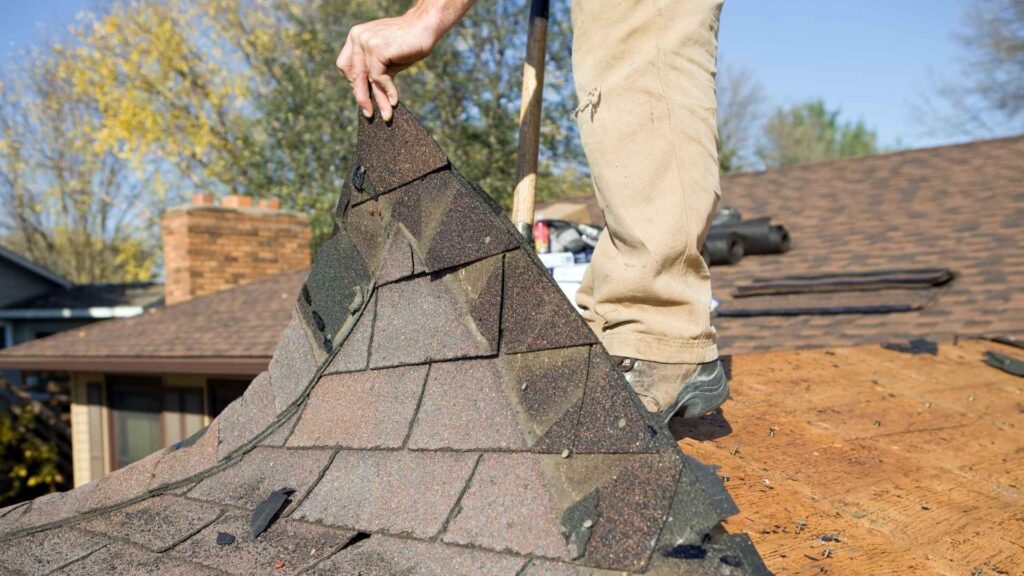
Roof near end of life → potential $8,000 to $20,000 depending on size & material
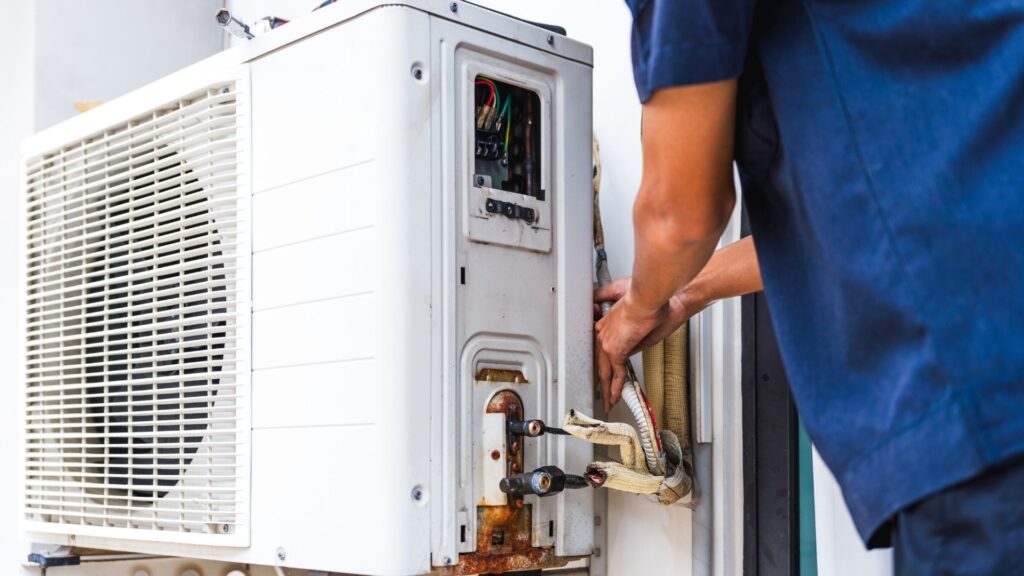
HVAC system aging → $5,000 to $12,000 replacement range
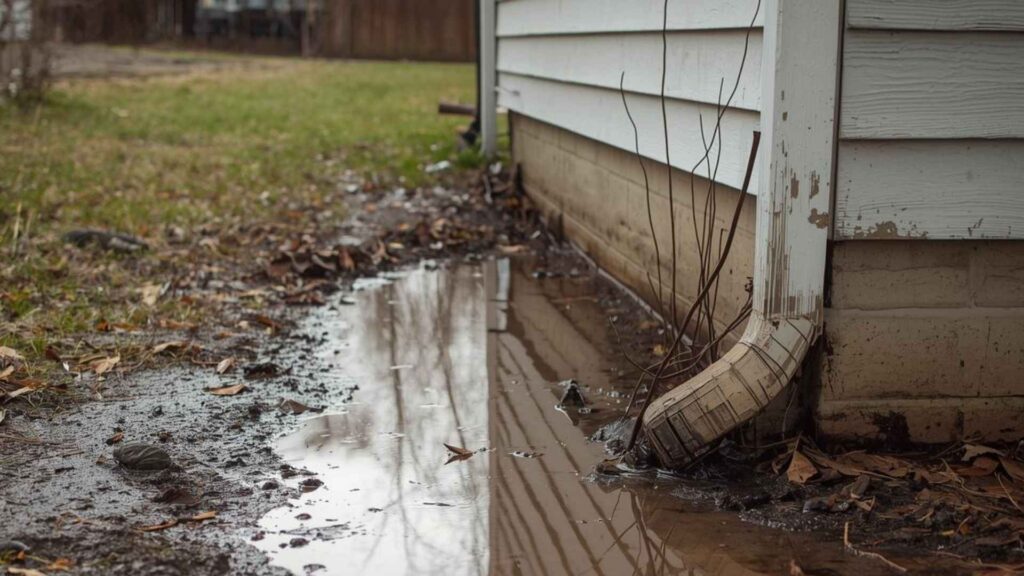
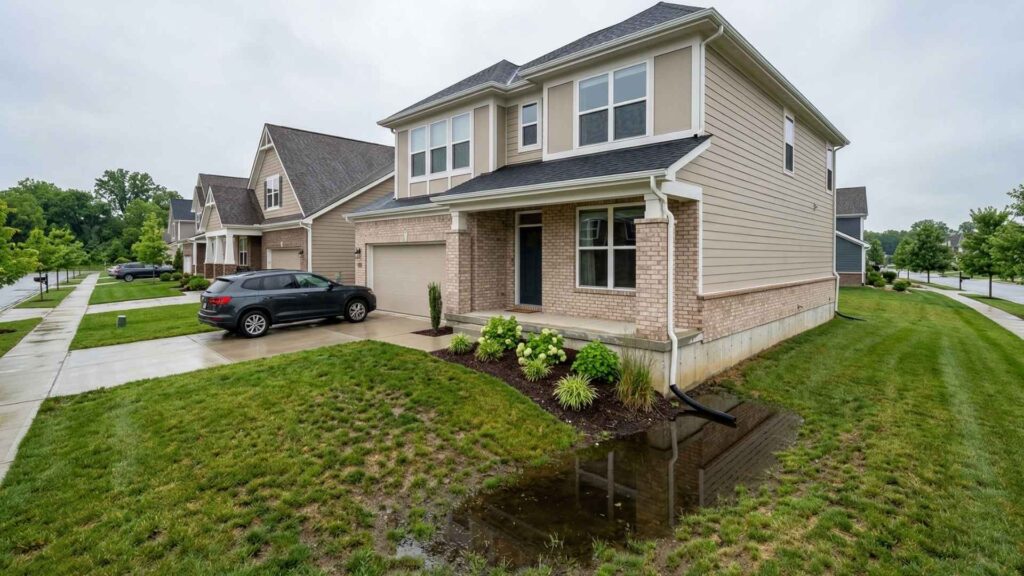
Drainage or grading issues → ongoing water management costs
Buyers often miss this shift: You are not reviewing a report. You are reviewing a financial roadmap of the property.
Why This Matters in Powell, Lewis Center, and Westerville
Homes in these areas typically include:
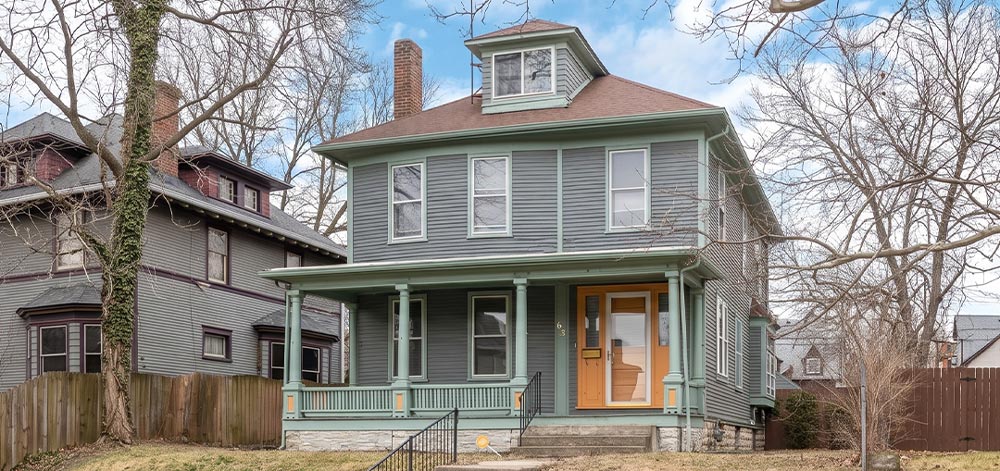
1990s to early 2000s builds
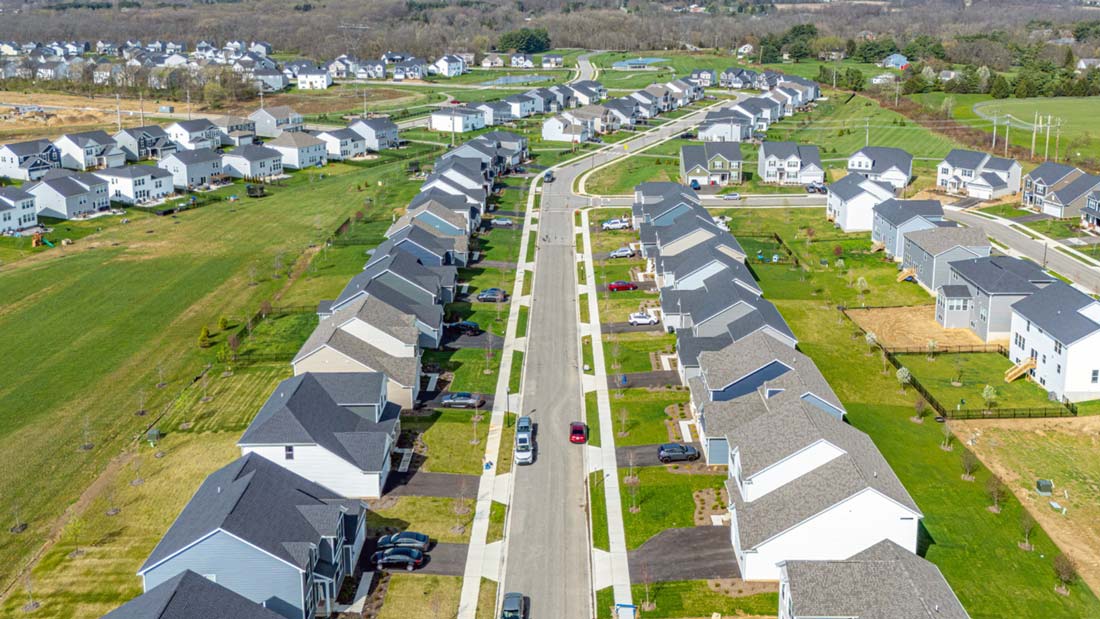
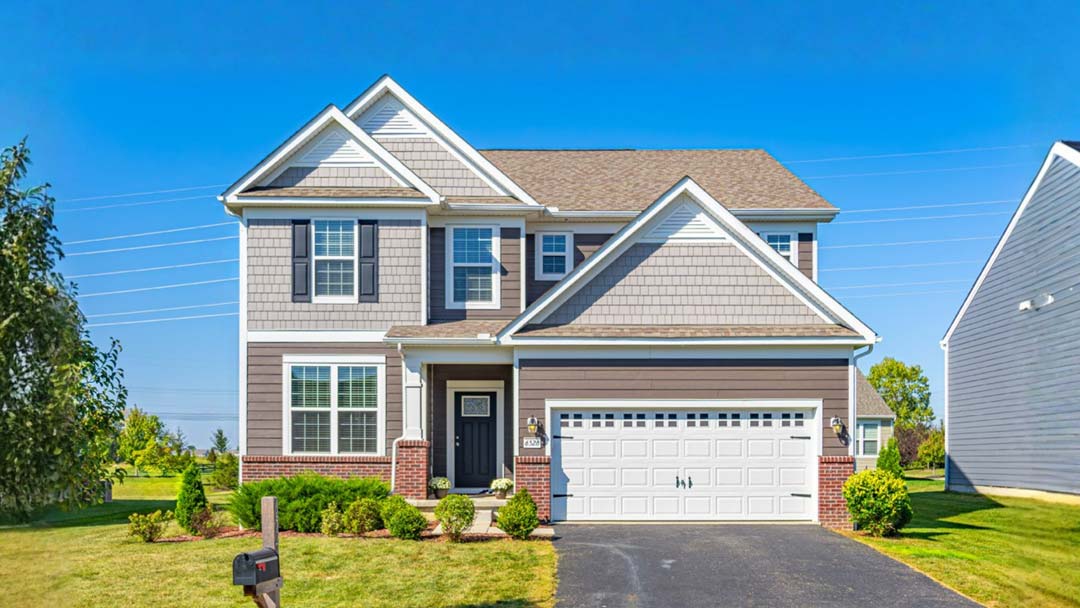
New construction developments
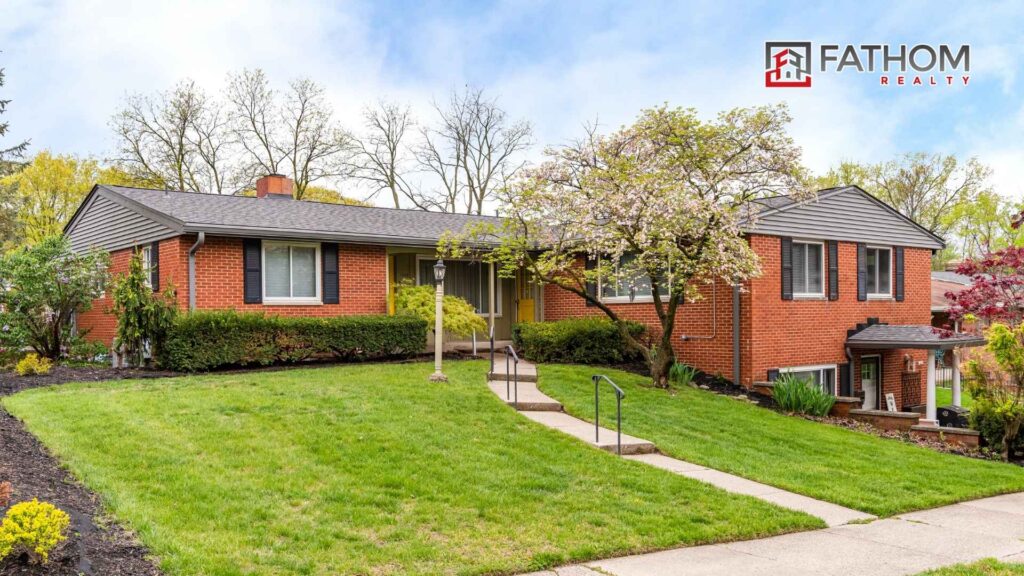
Custom homes with larger lots
Common patterns in Central Ohio homes:
Original roofs reaching end of life
Builder grade mechanical systems aging
Drainage and grading inconsistencies
Expansion and settlement related cracking
Understanding these patterns allows you to:
Anticipate costs
Identify risk early
Avoid unexpected expenses after closing
Ohio Standards of Practice: The Baseline
Ohio requires inspectors to follow a Standards of Practice (SOP).
What It Does
Defines minimum inspection requirements
Establishes consistency
Ensures core systems are reviewed
What It Does Not Do
Guarantee depth
Require advanced tools
Ensure comprehensive evaluation
The SOP is the floor, not the ceiling.
The Reality: Not All Inspections Are Equal
Two inspections in the same Westerville or Powell neighborhood can produce very different results.
Example: Roof Inspection
An inspector may:
View from the ground
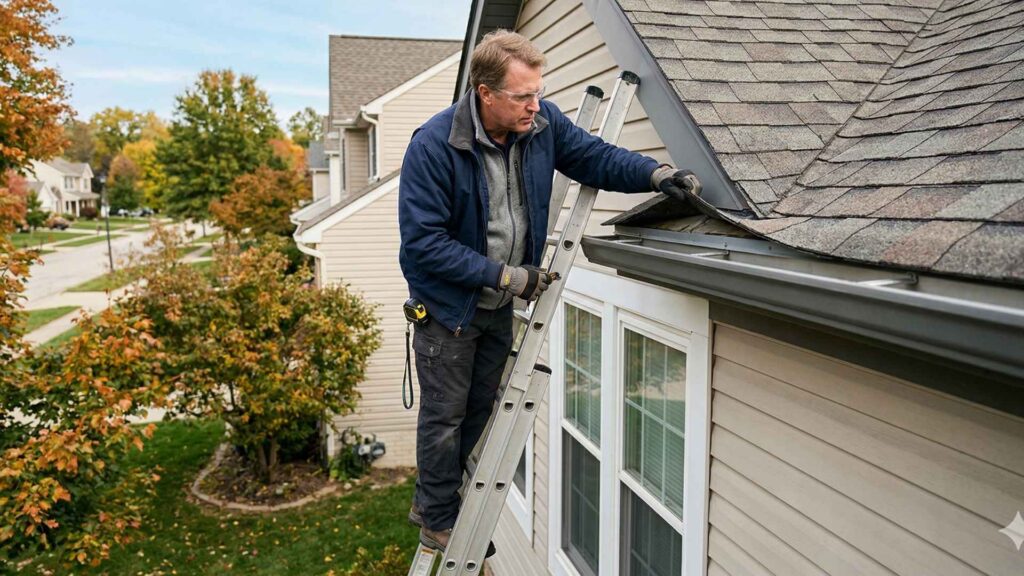
Inspect from ladder edge
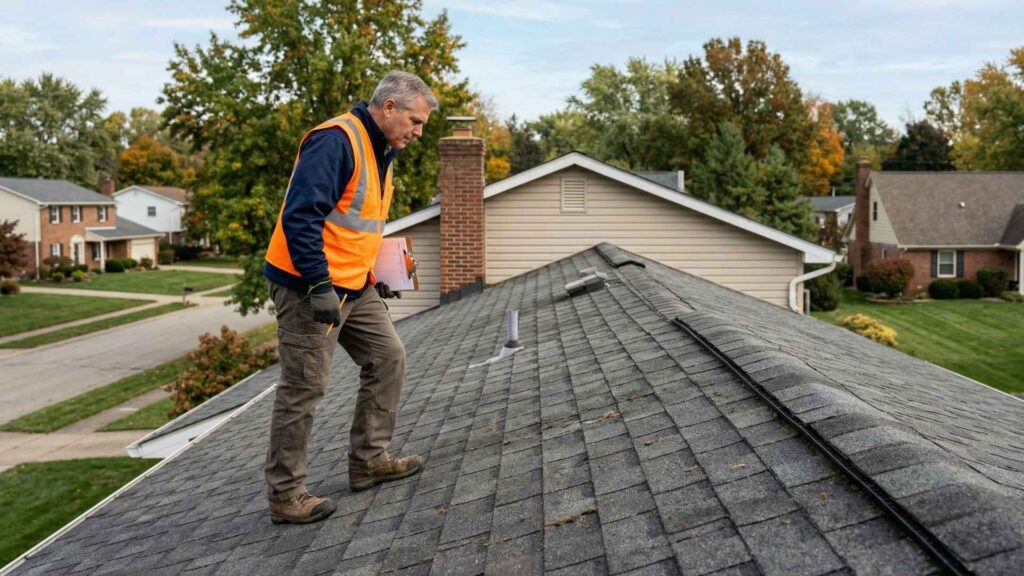
Walk the roof
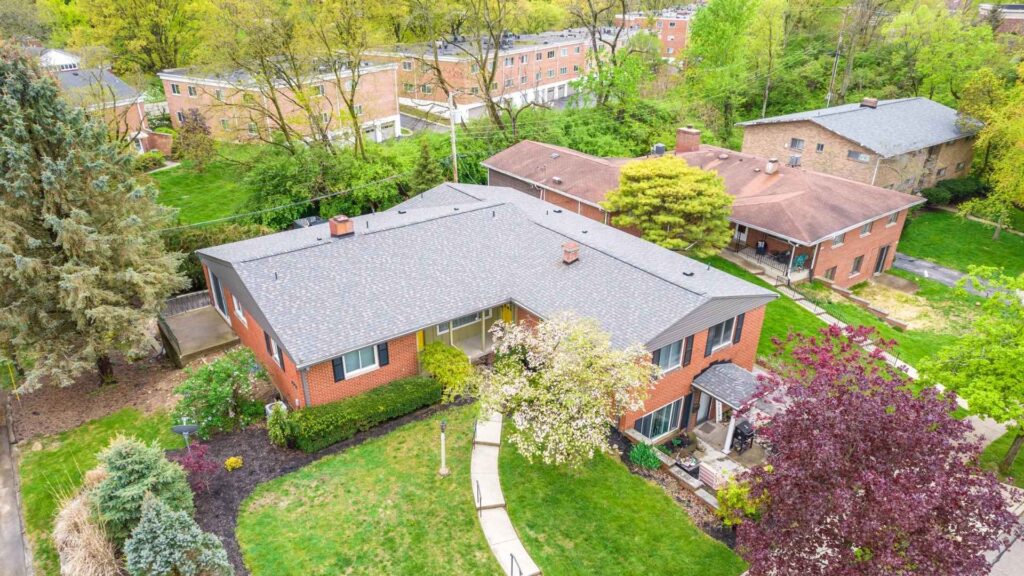
Use drone imaging
All may meet Ohio standards. Only some provide a complete picture.
Access vs Effort
This distinction matters.
Access Limitations
Steep or unsafe roof
Weather conditions
Fragile materials
Effort Limitations
Choosing not to walk a safe roof
Not using available tools
Minimal documentation
Buyers often assume limitations are unavoidable. In many cases, they are a matter of approach.
Tools That Improve Inspection Quality
Not required, but high value:
These are especially relevant in:
Older Westerville homes
Newer Lewis Center and Powell developments
Drone inspections
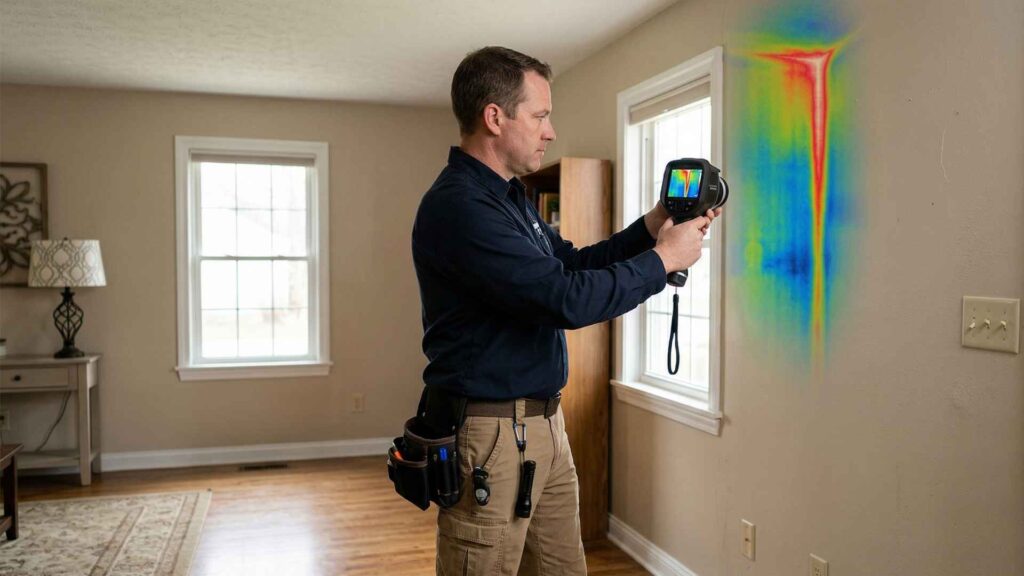
Thermal imaging
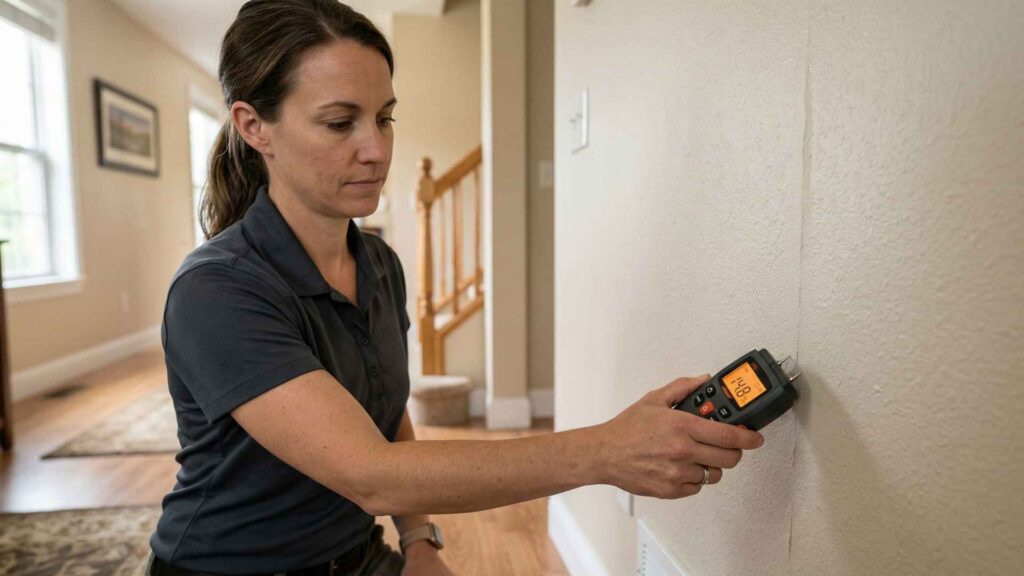
Moisture meters
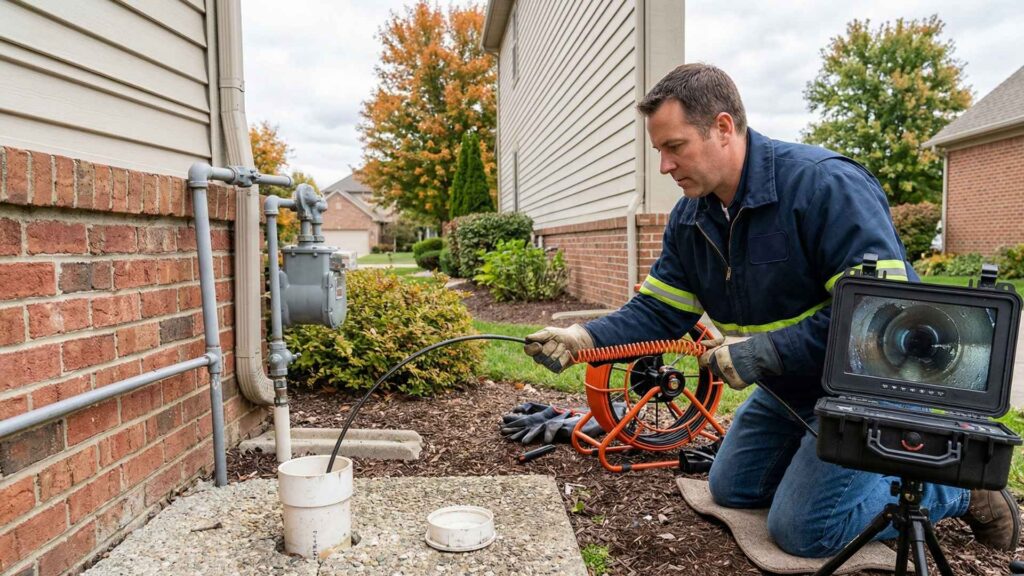
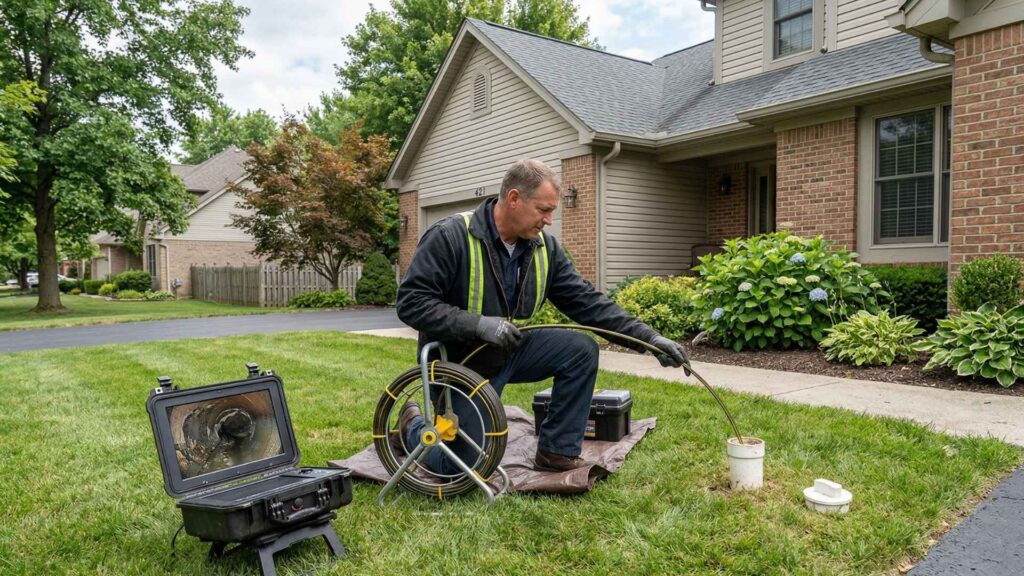
Sewer scopes
Inspector Choice = Risk Choice
This is the part most buyers miss.
You are not just hiring an inspector. You are choosing how much you are willing to not know.
Minimum approach → more unknowns
Comprehensive approach → more clarity
What No One Talks About: Limitations and Exclusions
Every inspection has limits.
Visual and Non Invasive
No walls opened. No systems dismantled.
Not Everything Is Included
Common exclusions:
Sewer lines
Radon and mold
Underground systems
Snapshot in Time
No rain = no visible leaks
Dry conditions = limited drainage insight
No Future Guarantee
Working today does not mean working tomorrow.
Insurance and Financing Impact
Inspection findings can directly affect your ability to close.
Common issues in Central Ohio:
Older roofs impacting insurability
Electrical panels flagged by insurers
Evidence of water intrusion
Potential outcomes:
Higher insurance premiums
Required repairs before closing
Coverage denial
New Construction Still Requires Inspection
Many buyers assume new homes do not need inspections.
That is incorrect.
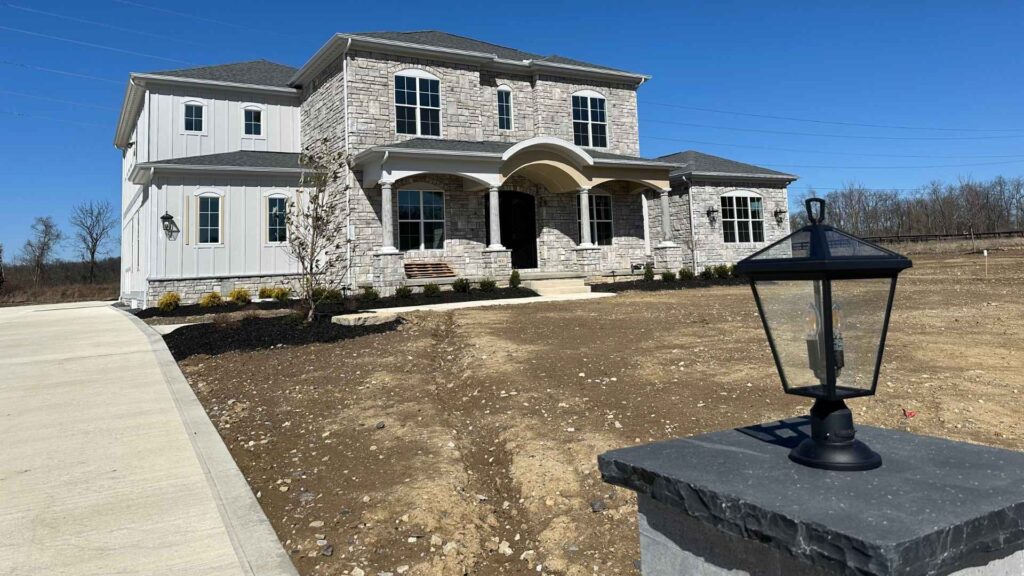
In Powell and Lewis Center new builds, common issues include:
Improper grading
Incomplete flashing
HVAC performance problems
Municipal inspections focus on code compliance. They do not evaluate performance or long term risk.
Market Conditions Change Inspection Strategy
In the current Central Ohio market:
Homes may sit 14 to 30 days
Price reductions are occurring
This affects negotiation:
Slower Market
More leverage for repairs or credits
Competitive Market
More selective negotiation
Understanding timing matters as much as the inspection itself.
How to Interpret an Inspection Without Overreacting
Every home has issues.
Focus on:
Structural concerns
Water management
Major systems
Avoid:
Getting stuck on minor cosmetic items
Overreacting to normal wear
The goal is not perfection. It is informed decision making.
Timeline: Where Inspection Decisions Matter
Key moments:
Inspection completed
Negotiation window
Repair request or credit decision
Re inspection if needed
Missing this window reduces your leverage.
Using Your Inspection After You Close
Most buyers stop at closing. That is a mistake.
Use your report to:
Build a maintenance plan
Prioritize repairs
Set a reserve budget
This turns the inspection into a long term asset management tool.
How Buyers in Powell, Lewis Center, and Westerville Should Approach This
Focus on Systems
Roof
Structure
HVAC
Plumbing
Electrical
Drainage
Add Specialized Inspections
Sewer scope
Radon testing
Moisture evaluation
Ask Direct Questions
Do you walk roofs when safe?
Do you use drones or thermal imaging?
Do you go beyond minimum standards?
Inspector Choice = Risk Choice
Common exclusions:
Snapshot in Time
Sewer lines
Radon and mold
Underground systems
No rain = no visible leaks
Dry conditions = limited drainage insight
No Future Guarantee Working today does not mean working tomorrow.
Every inspection has limits.
Visual and Non Invasive No walls opened. No systems dismantled. Not Everything Is Included
Common issues in Central Ohio:
Potential outcomes:
Older roofs impacting insurability
Electrical panels flagged by insurers
Evidence of water intrusion
Higher insurance premiums
Required repairs before closing
Coverage denial
Inspection findings can directly affect your ability to close.
What No One Talks About: Limitations and Exclusions
Insurance and Financing Impact
Municipal inspections focus on code compliance. They do not evaluate performance or long term risk.
Many buyers assume new homes do not need inspections.
That is incorrect.
In Powell and Lewis Center new builds, common issues include:
Improper grading
Incomplete flashing
HVAC performance problems
In the current Central Ohio market:
Understanding timing matters as much as the inspection itself.
Homes may sit 14 to 30 days
Price reductions are occurring
This affects negotiation:
Slower Market
More leverage for repairs or credits
Competitive Market
More selective negotiation
New Construction Still Requires Inspection
Market Conditions Change Inspection Strategy
How to Interpret an Inspection Without Overreacting
Every home has issues.
FOCUS ON:
Structural concerns
Water management
Major systems
AVOID:
Getting stuck on minor cosmetic items
Overreacting to normal wear
The goal is not perfection. It is informed decision making.
Timeline: Where Inspection Decisions Matter
Key moments:
Missing this window reduces your leverage.
Inspection completed
Negotiation window
Repair request or credit decision
Re-inspection if needed
Using Your Inspection After You Close
Most buyers stop at closing. That is a mistake. Use your report to:
This turns the inspection into a long term asset management tool.
Build a maintenance plan
Prioritize repairs
Set a reserve budget
This is the part most buyers miss. You are not just hiring an inspector. You are choosing how much you are willing to not know.
Minimum approach → more unknowns
Comprehensive approach → more clarity
How Buyers in Powell, Lewis Center, and Westerville Should Approach This
Focus on Systems
Roof
Structure
HVAC
Plumbing
Electrical
Drainage
Add Specialized Inspections
Sewer scope
Radon testing
Moisture evaluation
Ask Direct Questions
Do you walk roofs when safe?
Do you walk roofs when safe?
Do you go beyond minimum standards?
Real Examples From Central Ohio
These are not rare situations. They are common when inspections are treated as a formality.
A Powell buyer relied on a ground level roof inspection and later faced full replacement within a year
A Lewis Center new build had grading issues that were not identified during construction
A Westerville transaction changed direction after a sewer scope revealed failure
Bottom Line
A home inspection is not a checkbox. It is a risk and financial evaluation tied directly to your investment.
In Powell, Lewis Center, and Westerville, buyers who understand this process make more controlled decisions and avoid unnecessary cost exposure.
The Ohio Standards of Practice define the minimum
The inspector’s approach defines the quality
The limitations define what you will not see
FAQ: Home Inspections in Central Ohio
Do I need a home inspection for new construction in Powell or Lewis Center?
Yes. Builder and municipal inspections do not replace an independent evaluation.
How much does a home inspection cost in Central Ohio?
Typically ranges from $350 to $600, depending on size and scope, with additional services priced separately.
Should I walk away after a bad inspection?
Not always. The decision depends on cost, risk, and your ability to manage repairs.
Do inspectors walk the roof?
Some do when safe. Others do not. Always ask before hiring.
Next Step
If you are buying in Powell, Lewis Center, or Westerville and want to understand how inspection findings translate into real decisions and cost exposure, that conversation happens before you move forward, not after closing.
For buyers looking to go deeper into inspection strategy, cost forecasting, and risk evaluation, additional resources are available through Home & Commercial Inspections, LLC and the Ohio Home Inspector Network. Both platforms provide extended insights, case studies, and ongoing education around how inspections impact real estate decisions across Central Ohio.