

What Buyers & Sellers Should Expect
Central Ohio real estate is settling into a different rhythm. Here is what changing conditions could mean for buyers, sellers, inspections, negotiations and contracts.
Buying or selling a home is more than a transaction.
It is the transfer of information.
Every home has a history. Over time, it may experience repairs, replacements, renovations, water intrusion, mechanical failures, structural movement, insurance claims, or routine maintenance. No buyer can fully understand that history without information, and no professional can report on events they never witnessed.
That is where the Residential Property Disclosure begins.
Whether you are buying or selling a home in Powell, Lewis Center, Delaware, Westerville, Dublin, Worthington, Columbus, New Albany, Hilliard, Galena, Plain City, Sunbury, or anywhere throughout Central Ohio, understanding the purpose of the Residential Property Disclosure and your due diligence period can help you make one of the most informed financial decisions of your life.
Whether you’re:

Buying your first home

Purchasing your forever home

Buying new construction
Purchasing an existing home

Relocating to Central Ohio

Investing in residential real estate

Preparing to sell your home
Understanding the Residential Property Disclosure and the due diligence process can provide valuable insight before closing.
Residential Property Disclosures exist to provide buyers with a foundation of information about a home’s known history and condition before ownership changes hands.
They are intended to begin the conversation—not end it.
The disclosure creates an opportunity for buyers to ask better questions, request additional documentation, verify repairs, and understand the home beyond what appears on a form.
The Residential Property Disclosure is more than another document completed before a home goes on the market.
It is the seller’s opportunity to communicate the known history and condition of the home and provide buyers with a foundation from which to make informed decisions.
Every seller approaches the Residential Property Disclosure differently.
Some recognize it as an opportunity to communicate the known history of their home.
Others provide very little information, believing the buyer’s due diligence will uncover whatever needs to be discovered.
The difference matters.
Regardless of how the disclosure is completed, buyers should understand one important reality:
A disclosure that provides little detail does not reduce your due diligence.
It increases it.
This is where buyers begin asking questions that cannot be answered by a checked box.
Due diligence is not simply negotiating repairs. It is your opportunity to understand the home before ownership transfers.
Real estate moves quickly.
Contracts
Deadlines
Financing
Appraisals
Negotiations
Closing dates
It is easy to become focused on simply reaching the closing table. Resist that temptation.
Some of the most valuable information in a transaction is not found in the purchase contract. It is found in the questions that have not been asked.
The documentation that has not been requested. The recommendations that deserve another look. Sometimes what isn’t said deserves just as much attention as what is. Your due diligence period exists to slow the process down just enough to understand the home beyond what appears on the surface.
One of the first reactions many buyers have after receiving reports or documentation is:
The better question is:
A comprehensive report does not necessarily indicate a home has more problems.
More often, it means more information has been documented.
Rather than becoming overwhelmed by the volume of information, focus on understanding the findings and recommendations.
The goal is not fear. The goal is understanding.
Many buyers assume newly constructed homes require less investigation because no one has lived in them.
While the home’s history may be shorter, buyers should still review builder documentation, warranties, permits, walkthrough reports, punch lists, and any available disclosures.
Due diligence remains just as important.
The Residential Property Disclosure tells part of the home’s story. Due diligence reveals the chapters that follow.
Together they create a clearer understanding of the home before ownership changes hands.
No single document tells the entire story.
Homes rarely surprise people simply because problems exist.
More often, surprises occur because important questions were never asked, documentation was never requested, or recommendations were never fully understood.
Every buyer deserves the opportunity to make an informed decision. That begins with the seller’s disclosure.
It continues through thoughtful due diligence. And it ends with knowledge—not assumptions.
Every home has a story. The Residential Property Disclosure is only the first chapter. Read the rest before you make it part of yours.
No. It provides a starting point. Buyers should use their due diligence period to request documentation, ask questions, review available reports, and verify important information before closing.
Not necessarily.
A brief or clean disclosure simply means buyers should continue asking questions and gathering information.
Yes.
Receipts, invoices, warranties, contractor information, and finalized permits often provide valuable insight into repairs, improvements, and replacements.
Depending on the nature of the repairs, buyers may wish to have completed work professionally verified before ownership transfers.
Jennifer N. Jones is an Ohio Broker and REALTOR® with more than 15 years of experience in residential and commercial construction administration, property management, and real estate.
Her perspective was shaped long before becoming a broker. Years spent reviewing construction, managing projects, evaluating properties, and navigating real estate transactions taught her that what is overlooked often matters just as much as what is obvious.
She approaches every transaction by looking beyond the surface—examining details, recognizing patterns, and asking the questions that help clients better understand the home and the decisions before them.
Jennifer serves buyers and sellers throughout Powell, Lewis Center, Delaware, Westerville, Dublin, Columbus, Worthington, Hilliard, New Albany, Galena, Plain City, Sunbury, and surrounding Central Ohio communities.
This article is intended for informational purposes only and should not be interpreted as legal, tax, engineering, or construction advice. Buyers and sellers should consult the appropriate professionals regarding their specific transaction.
Central Ohio real estate is settling into a different rhythm. Here is what changing conditions could mean for buyers, sellers, inspections, negotiations and contracts.
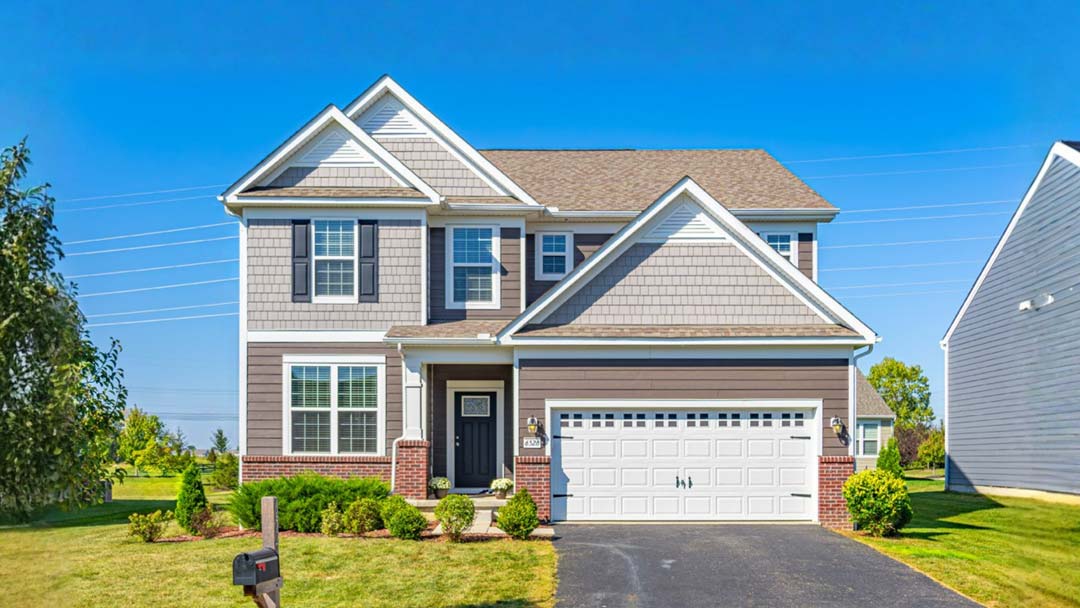
A Central Ohio real estate broker shares a candid story about pricing expectations, market feedback, and what a difficult listing revealed about trust.
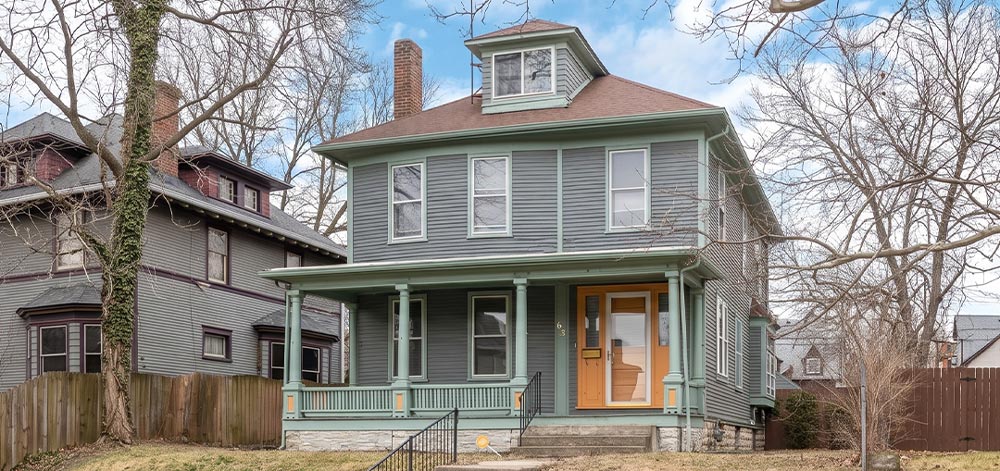
Learn why Residential Property Disclosures are only the beginning. Discover how due diligence helps buyers make informed decisions throughout Central Ohio.