Communication Is a Two-Way Street: Why Transparency Sells Homes

What Every Home Seller in Powell, Westerville, Lewis Center, Dublin & Central Ohio Should Know

The experience shared below reflects recurring themes observed during a recent listing and is presented in a generalized manner for educational purposes. It is not intended to identify any client or transaction. Every home, seller, and market situation is unique.

Selling a Home Is Personal. The Market Isn’t.

Selling a home is one of the largest financial decisions most families will ever make. It is also one of the most personal.

Years of memories, improvements, and pride become attached to a home. Expectations naturally follow.

The market, however, has no emotional attachment.

It responds to value, condition, location, competition, financing, buyer priorities, and available inventory.

One of the most important responsibilities of a REALTOR® is not simply marketing a home.

It is communicating what the market is saying—even when the message is difficult to hear.

The Market Doesn’t Care Who Is Right

One of the hardest conversations in real estate begins when a home receives showings but not offers.

The questions often sound familiar.

"The agent isn’t working hard enough."

“The brokerage is too small.”

“The social media posts aren’t getting enough shares.”

“There should have been music at the open house.”

“You should be bringing buyers to the showings.”

“You’re being too passive.”

“I could have sold this home better.”

“Why didn’t you overcome the buyer’s objections?”

These questions deserve discussion.

But they also reveal one of the biggest misconceptions in residential real estate.

Activity and results are not the same thing.

Marketing Creates Exposure. Buyers Create Demand.

Professional marketing includes:

Professional Real Estate Photography in Central Ohio

Professional photography

Drone and aerial media

MLS exposure

Zillow and Realtor.com syndication

Social media campaigns

Two real estate professionals discussing a home listing during a business meeting in Franklin County, Ohio.

Broker-to-broker networking

Ohio Prospective buyers touring a bright and staged home during an open house in Dublin, Ohio.

Open houses

Professional reviewing buyer feedback after a home showing in Powell, Ohio.

Buyer follow-up

Market analysis

Weekly seller communication

Every one of these tools increases exposure.

None of them can manufacture demand.

Buyers don’t purchase homes because a Facebook Reel generated thousands of views.

They don’t purchase because music was playing during an open house.

They don’t purchase because a brokerage has a nationally recognized logo.

They purchase because, after comparing every available home within their budget, they determine one home offers the strongest overall value.

Marketing creates awareness.

The market creates demand.

Bigger Brokerage Doesn’t Mean Better Results

Another misconception is that a nationally recognized brokerage automatically produces better results.

Today’s buyers don’t shop by brokerage.

They shop through:

Brokerage websites
Automated listing alerts
Social media

Every REALTOR® participating in the MLS has access to the same marketplace.

The listing broker’s responsibility is to expose the home to every qualified buyer—not personally produce one.

The question isn’t whether the brokerage is large.

The question is whether the home is positioned competitively.

“I Could Have Sold It Better.”

This is one of the most revealing statements a broker can hear.

It usually comes from frustration.

Not evidence.

It assumes a successful transaction depends primarily on the salesperson’s ability to persuade.

That may have been the philosophy decades ago.

Today’s market is different.

Professional representation is not measured by how effectively a broker argues with buyers.

It is measured by how accurately the broker interprets the market, communicates buyer behavior, and helps clients make informed decisions.

If ten different buyers, represented by ten different REALTORS®, independently identify the same concern…

…that concern is no longer simply an objection.

It has become market feedback.

Ignoring it doesn’t strengthen a seller’s position.

It weakens it.

Passive or Strategic?

One criticism occasionally directed toward REALTORS® is that they are “being passive.”

The assumption is that:

…will automatically produce a buyer.

Sometimes those activities help.

Sometimes they don’t.

Professional representation isn’t measured by how busy an agent appears.

It is measured by whether those activities move the seller closer to achieving the goal.

Doing more isn’t always doing better.

Doing the same thing repeatedly while expecting a different outcome isn’t an aggressive strategy.

It’s simply more activity.

Experienced REALTORS® continually evaluate:

Then they recommend adjustments supported by facts—not frustration.

Should REALTORS® Overcome Every Buyer’s Objection?

This deserves an honest answer.

No.

Not if doing so means attempting to convince buyers to ignore concerns that genuinely matter to them.

Modern real estate has evolved.

The role of today’s REALTOR® isn’t to pressure buyers.

It is to understand why buyers are making their decisions.

Sometimes buyers misunderstand a feature.

That deserves clarification.

Sometimes they simply prefer another home’s layout.

Or finishes.

Or location.

Or value.

No amount of persuasion changes personal preference.

The best REALTORS® don’t fight the market.

They interpret it.

Transparency Isn’t Criticism

During a recent listing, a comprehensive marketing campaign included:

  • Professional photography
  • Drone media
  • Social media campaigns
  • Open houses
  • Broker outreach
  • Digital advertising
  • Buyer follow-up
  • Regular seller communication

Despite extensive exposure, buyers consistently communicated similar observations.

Different buyers.

Different REALTORS®.

The same themes.

That wasn’t negativity.

It was market intelligence.

My responsibility wasn’t to defend the feedback.

It was to communicate it honestly.

Transparency is not criticism.

It is representation.

What Sellers Can Control

While no one can control the market, sellers can control how they respond to it.

That includes:

The market rewards sellers who adapt.

Buyers Don’t Coordinate Their Feedback

One of the strongest indicators of market trends is independent buyer feedback.

Buyers don’t meet before touring a home.

They don’t compare notes before submitting showing comments.

When unrelated buyers repeatedly identify the same strengths and weaknesses, those observations become valuable market data—not isolated opinions.

Patterns matter.

Professional REALTORS® recognize those patterns and communicate them so sellers can make informed decisions.

The Market Is Speaking

According to Columbus REALTORS®, housing inventory has increased across Central Ohio, giving buyers more choices than they had during the peak seller’s market. Buyers today have greater flexibility to compare homes before making purchasing decisions.

Ohio REALTORS® has similarly reported improving inventory levels across many Ohio markets, creating a healthier balance between buyers and sellers. As inventory grows, homes compete more directly on pricing, condition, presentation, and perceived value.

These aren’t opinions.

They’re market conditions.

When multiple buyers communicate the same concerns, they aren’t creating the market.

They’re describing it.

Respect Is a Two-Way Street

Professional REALTORS® welcome accountability.

We expect difficult questions.

We expect to explain our recommendations.

We expect to support our strategies with market data.

We expect to be evaluated on our preparation, communication, professionalism, and results.

Constructive criticism is part of our profession.

Personal attacks should not be.

There is an important difference between asking,

“Help me understand your strategy.”

and concluding,

“You’re not working hard enough.”

There is a difference between evaluating results and assuming a lack of effort.

There is a difference between questioning a recommendation and blaming the professional delivering it.

Under Ohio agency law, REALTORS® owe fiduciary duties to their clients, including loyalty, disclosure, confidentiality, obedience to lawful instructions, reasonable care, and accountability. Honest communication about market conditions and buyer feedback is part of fulfilling those professional obligations.

Those conversations are not admissions of failure.

They are evidence that your REALTOR® is fulfilling the very responsibility they were hired to perform.

Mutual respect doesn’t eliminate difficult conversations.

It makes them productive.

Communication isn’t simply about providing updates.

It’s about having honest conversations before frustration replaces collaboration.

The earlier recurring buyer feedback is evaluated objectively, the more options a seller typically has.

The strongest client relationships are partnerships built on trust, transparency, accountability, and professional respect.

The market is not our opponent.

Neither is each other.

The Bottom Line

The market doesn’t reward assumptions.

It rewards preparation.

Positioning.

Adaptability.

And responsiveness.

The best REALTORS® don’t simply market homes.

They analyze markets.

Interpret buyer behavior.

Negotiate professionally.

Communicate difficult truths.

Adjust strategies when conditions change.

And guide clients through one of the largest financial decisions of their lives.

That deserves accountability.

It also deserves respect.

The best REALTORS® aren’t hired to tell clients what they want to hear.

They’re hired to tell clients what they need to know—supported by facts, experience, and market evidence.

Selling a home isn’t about winning an argument with the market.

It’s about understanding it.

And that begins with communication.

Because communication has never been a one-way street.

Neither has a successful real estate partnership.

Explore More Insights

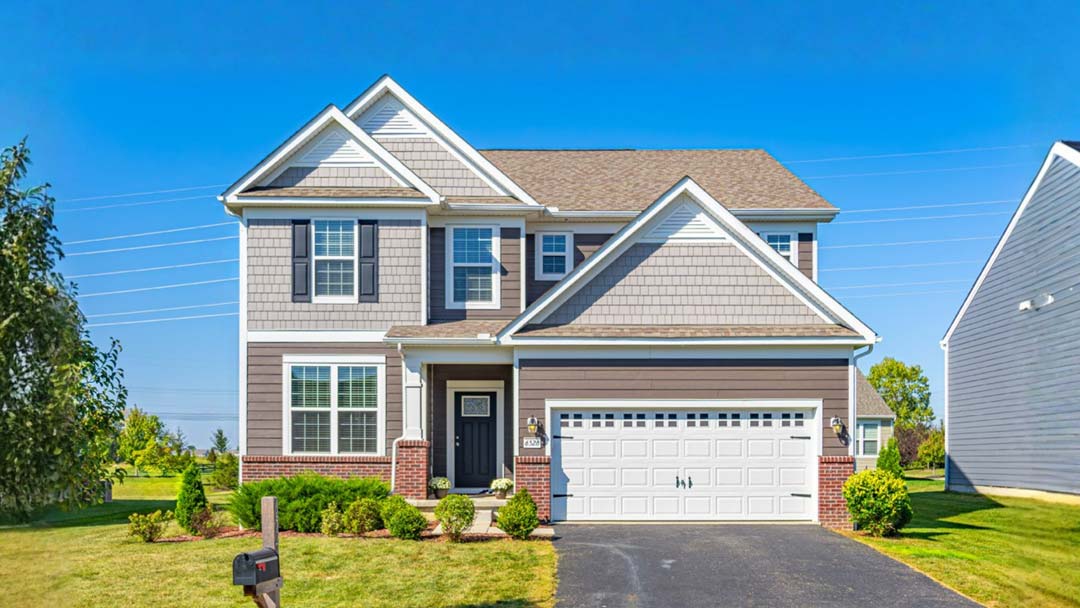
Well-maintained home in Central Ohio illustrating the importance of honest communication, buyer feedback, and strategic home selling.

Communication Is a Two-Way Street: Why Transparency Sells Homes

Selling a home takes more than great marketing. Discover why honest communication, buyer feedback, transparency, and strategic pricing are essential for sellers in Powell, Westerville, Lewis Center, Dublin, and throughout Central Ohio. Learn how working with your REALTOR® as a trusted partner leads to better decisions and stronger results.

Read More »